
20 Exquisite Flower Names that Start with K


Are you looking for a flower that starts with the letter K? You’re in luck! There are many beautiful and unique flowers whose names begin with the letter K. From kangaroo paw to kniphofia, these flowers are sure to make a bold statement in any garden or bouquet. Whether you’re looking for a flower to put in an outdoor planter or one to fill a vase indoors, this guide will help you find the perfect flower name starting with K.
Kaffir Lily
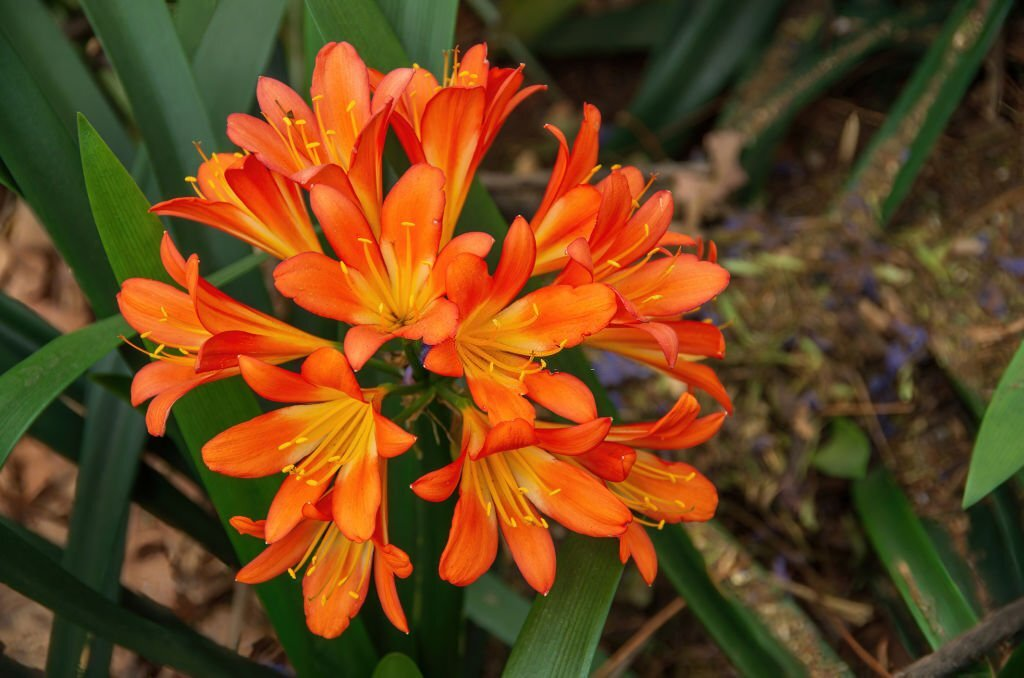
Kaffir Lily (Clivia miniata or Bush lily) really knows how to put on a show – the display of its vivid buds is a spectacular precursor of spring. This perennial plant produces vibrant clusters of orange or yellow trumpet-shaped flowers with broad green leaves and blossoms in the early spring months. Its long glossy leaves are evergreen, making it a great choice for use as a ground cover or in containers indoors or out. The Kaffir Lily’s showy blooms make it a popular choice for gardeners looking to add interest and texture to their outdoor space without much effort.
When you start kaffir lilies from seeds, it does take some time for them to grow, and they typically need two or three years to bloom. Once you pass this threshold, they’ll produce flowers in the spring. They must have some light to grow. Early in the spring, this shrub, also known as Japanese kerria or Japanese rose, blooms with tiny, rose-like yellow flowers on its arching stems.
Kiwi Flowers
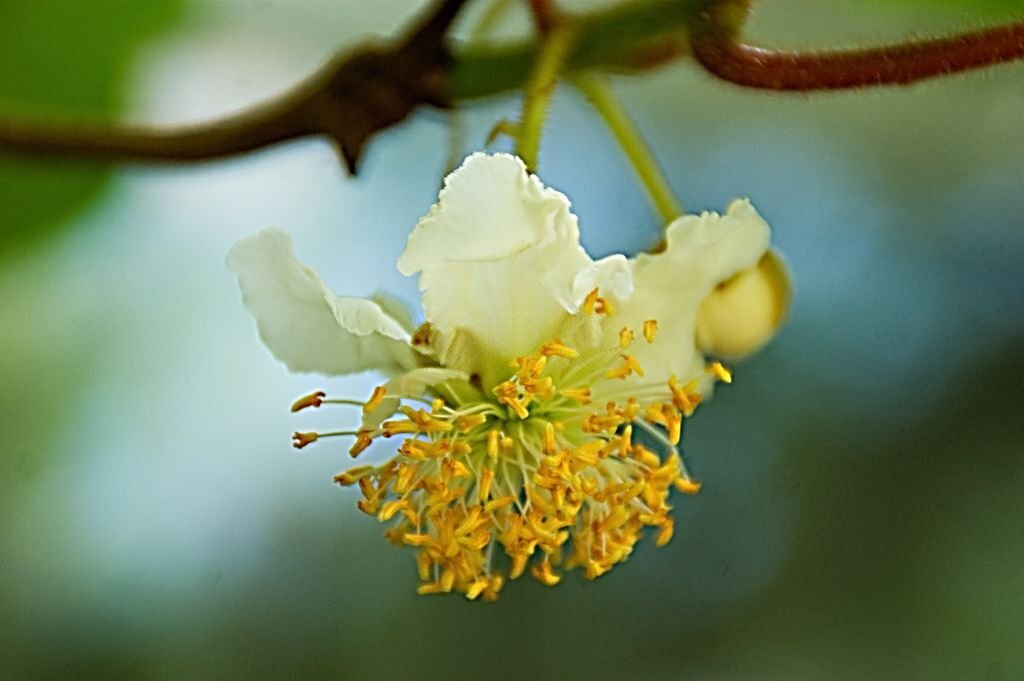
Kiwi flowers are some of the most beautiful and fragrant flowers in the world. For those looking for a unique flower name that starts with the letter K, they will be delighted to learn of these spectacular blooms. The male and female plants of the kiwi fruit plant both produce blooms. The wholesome kiwi fruit is also produced by this flower that begins with the letter K, but the flowers come first.
Kiwi flowers come in many varieties, including kangaroo paw, knapweed, kalanchoe, and kale. They have striking colors such as yellows, pinks and purples that add color to any garden or bouquet. In addition to their beauty, kiwi flowers are also known for their pleasant scent, which is why they are a popular choice when it comes to floral arrangements. These plants can also be used as a natural air freshener due to their strong fragrance.
Kiwi fruit plants can be grown in both indoor and outdoor gardens in moist soil, as long as they receive enough water and sunlight. The vines must also be given adequate support; trellises or other supports should be provided so that the plant can spread out freely without damage. Adding high-quality plant food will help ensure optimal growth and prevent deficiencies in nutrients needed for healthy blooms.
Keli Flower
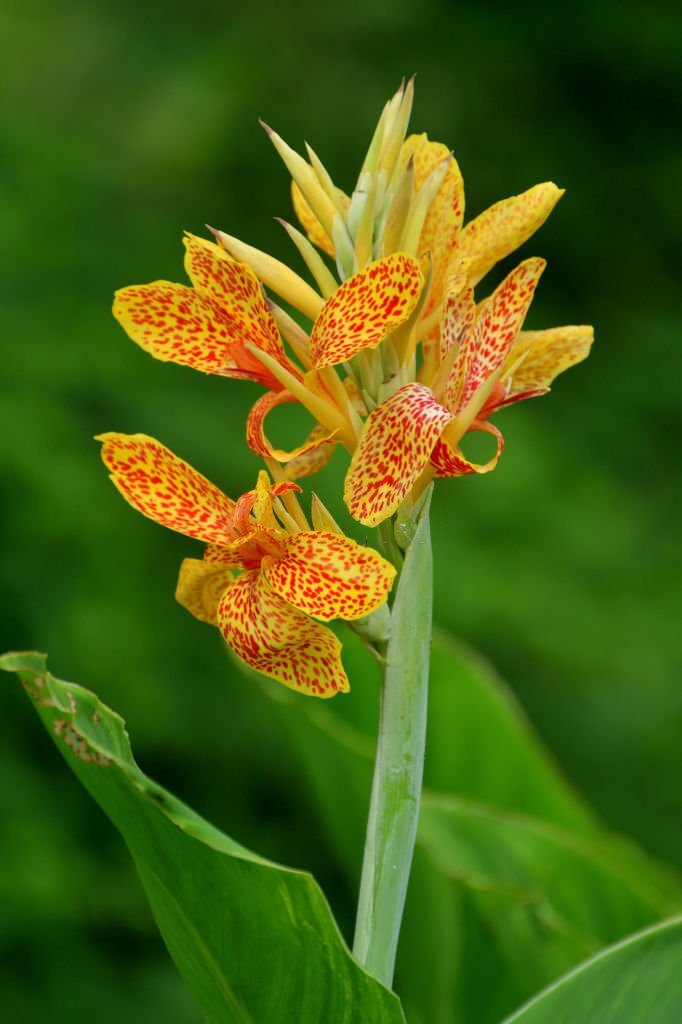
Keli flower, scientifically known as Gastrodia elata or Canna Lily, is a type of orchid that has long been used in Chinese medicine. This flower grows best in moist, shady areas and is native to Japan, Korea, and Taiwan. It has orange, red, pink or purple flowers and can be found growing wild in forests and grasslands.
Keli flowers are highly valued for their medicinal properties, particularly their ability to reduce inflammation and help the body heal from injury or illness. In addition to being used medicinally, they are also often used as an ornamental plant due to its attractive appearance. For example, Keli flower can be planted alongside other ornamental plants such as roses or lilies to create a beautiful display of color and texture in any garden space.
Kangaroo Paw
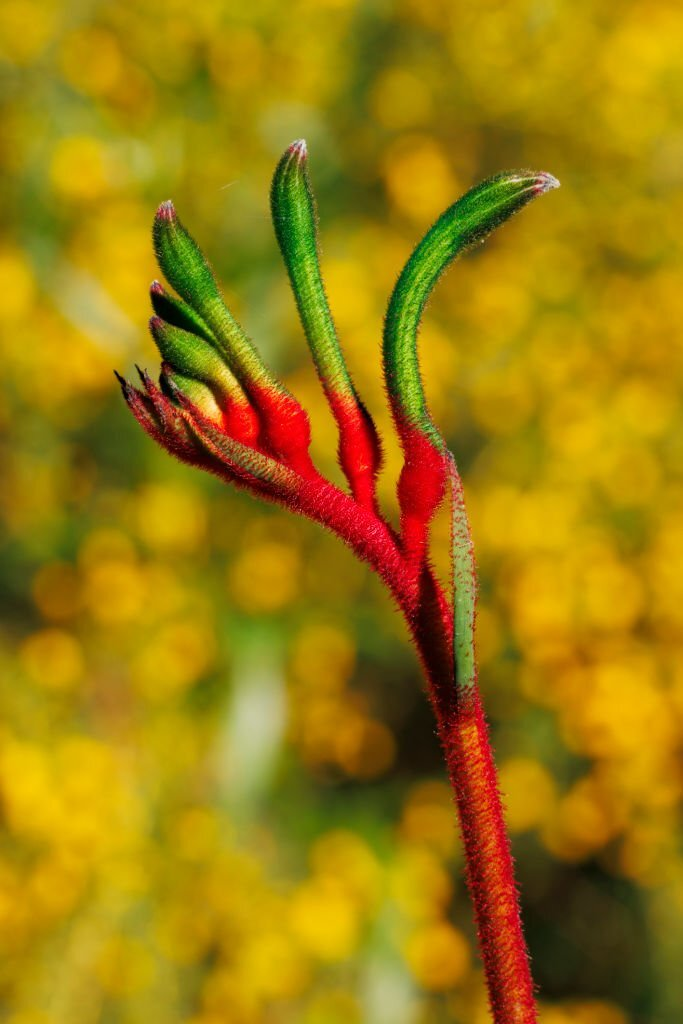
Kangaroo paw, also known by the name red and green kangaroo paw, is a perennial flowering plant native to Western Australia. It gets its name from its fuzzy green petals which resemble a kangaroo’s paw and can be found in shades of red, yellow, or orange. The tubular flowers grow on tall stems that are often several feet high and require minimal care once established. This makes them perfect for adding some color and life to any garden or home without much fussing over it.
Kangaroo paw is a distinctive Australian native with velvety, tubular blooms arranged in fanlike rows. Only at the apex of the bud do the six petals fully open, displaying a light interior, usually greenish white. The color of the outside of the blooms varies depending on the species or subspecies.
In cooler climates, kangaroo paw must be overwintered indoors or planted as an annual. A well-draining soil — sandy soil is excellent — will help prevent root rot, and it should be kept consistently moist, especially during flowering. Place your plants in full sun for the healthiest results.
Kobus Magnolia
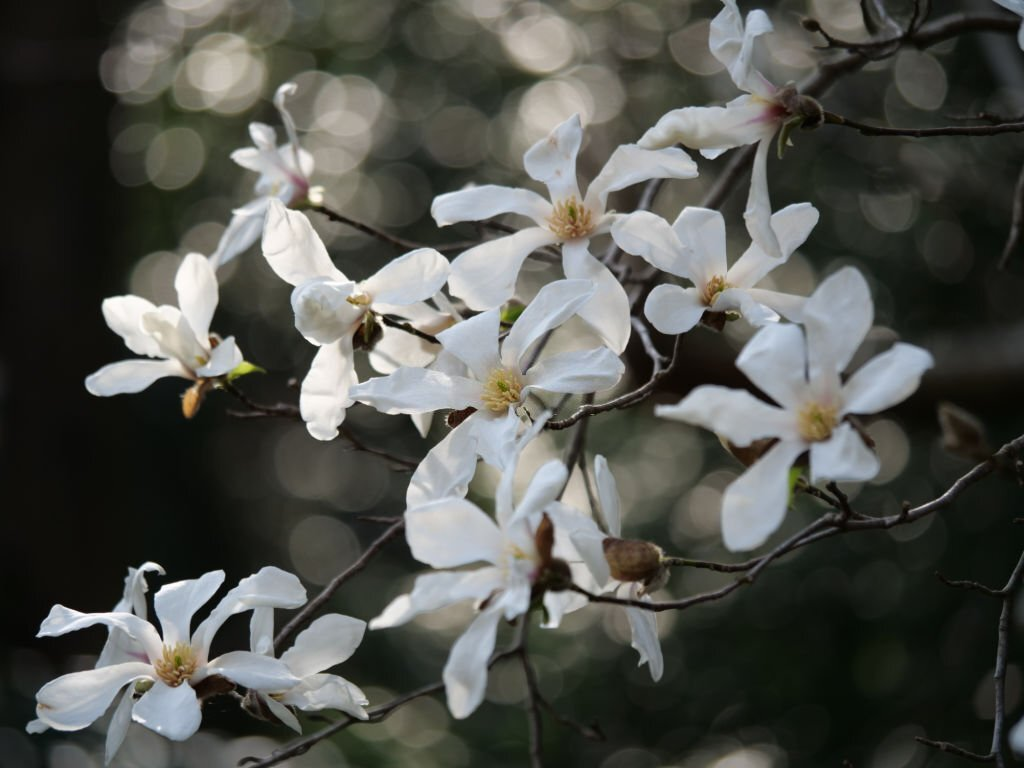
Kobus magnolia is a gorgeous and distinctive bloom that begins with the letter K. Its natural range includes Japan, China, and Korea, where it can be found in gardens and parks. This evergreen shrub has simple leaves that are lustrous dark green on top and brownish on the bottom. It blooms in the spring with white or pink blossoms. One distinguishing feature of Kobus Magnolia is that the flowers appear before the leaves. This turns your garden white before you can see any green.
The bright blooms of the Kobus magnolia stand out in any garden or park. The bush grows up to 2 meters tall, making it an eye-catching addition to any outdoor space. In addition to its beauty, this flower has a deep cultural significance in Japanese culture; it symbolizes longevity, rebirth and even divine protection from tragedy. As such, Kobus Magnolia are often planted near temples as a sign of respect for the gods.
King’s Spear
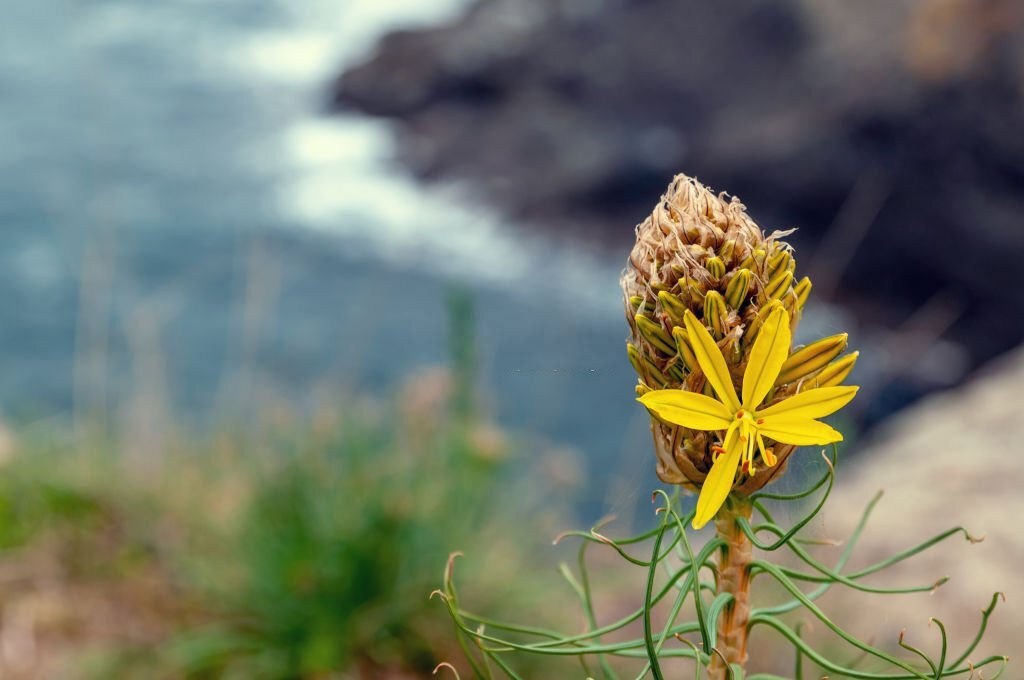
This regal flower has a rich history and deep symbolism. It grows in abundance throughout the world, often used as an ornamental plant or cut flower. King’s spear is known by several different common names and scientific names, including Asphodeline lutea. Its eye-catching flowers range from yellow to orange to red for an overall vibrant look. The individual blooms have long cone-shaped petals that bloom on top of tall stems resembling spears – hence its name! The flowering plant grows well in well-drained soils and on rocky slopes with full to partial sun, making it ideal for rock gardens.
This plant is a sign of strength and courage, making it an excellent choice for gardeners looking for an eye-catching addition to their landscape. Because of the shape of the bloom and the nectar content, it also attracts butterflies.
King Protea
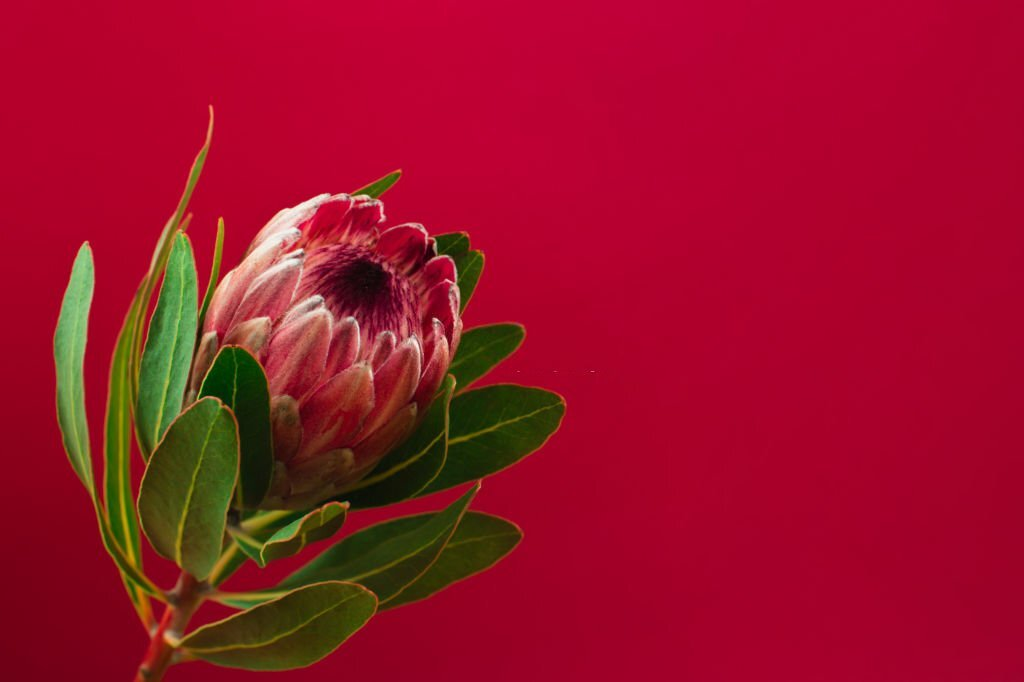
One of the most spectacular blooms is the King protea, which is national flower of South Africa and is a stout, upright, evergreen shrub with an attractive appearance and interesting flowers. This flower is part of an ancient family of plants that have been around for millions of years, and it’s unique look will surely turn heads. The King protea has large, velvety petals and comes in colors ranging from white to pink, making it an eye-catching addition to any garden or vase.
Kolkwitzia (Beauty Bush)
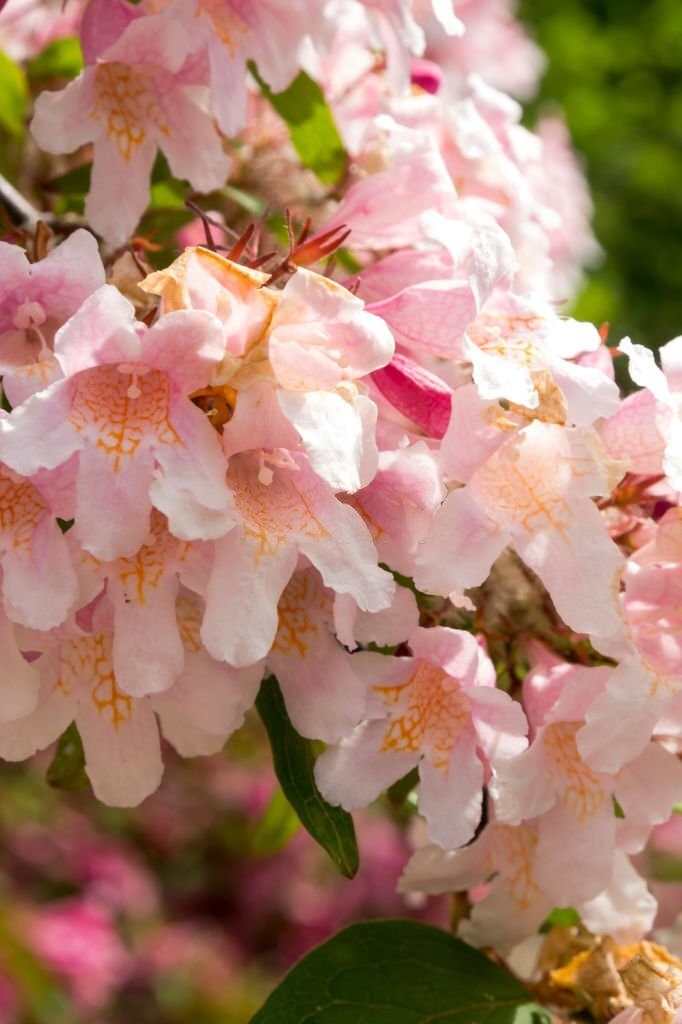
Kolkwitzia (Beauty Bush) is a stunning bloom with a captivating appearance. These deciduous bushes produce bell-shaped, white to rose-pink flowers with five petals and golden stamens. Early in the summer, these blossoms stand out against the luscious green leaves of this plant, producing an enchanting scene in any garden or landscape. It is native to eastern China and belongs to the Caprifoliaceae family. The name Beauty bush is given to this flowering plant.
Kyushu Meadow Rue
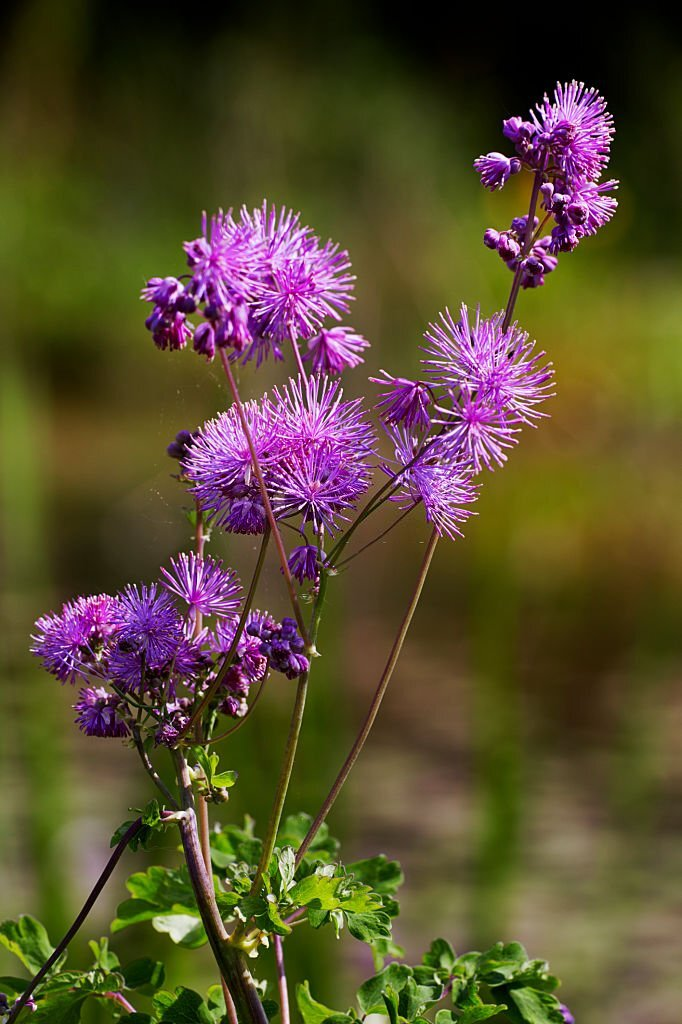
In late spring or early summer, Kyushu Meadow Rue (or Dwarf meadow rue) blooms. The showy lavender flowers attract bees, pollinators and other species of butterflies. Expect it to begin flowering in late spring or early summer. It grows to a height of 9 to 12 inches and a width of 17 inches in zones 3 to 8b. This species is native to Japan and is a member of the thalictrum family.
Knautia Arvensis
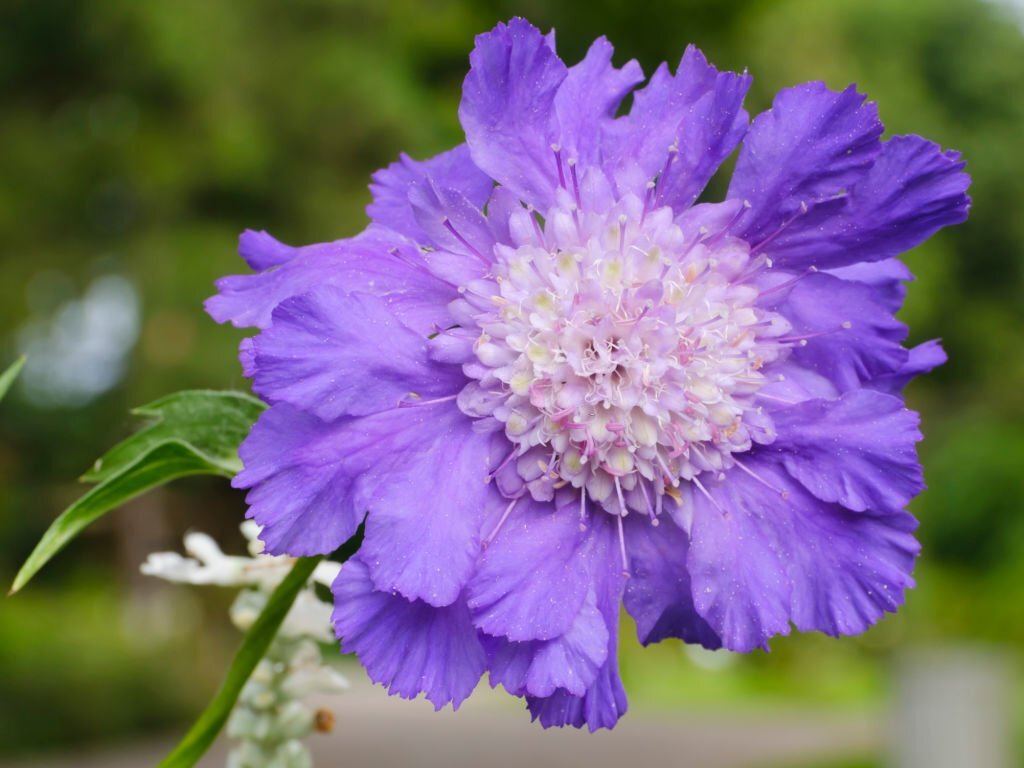
Knautia arvensis, also known as field scabious, is a herbaceous perennial honeysuckle flowering plant species that belongs to honeysuckle family. These beautiful flowers bloom into dazzling pink blossoms (sometimes these flowers can appear lilac in color). They are perennial plants, meaning they can thrive in lawns and gardens year after year. They may attract insects such as butterflies and honeybees, which are attracted to these types of blooms.
Kunzea
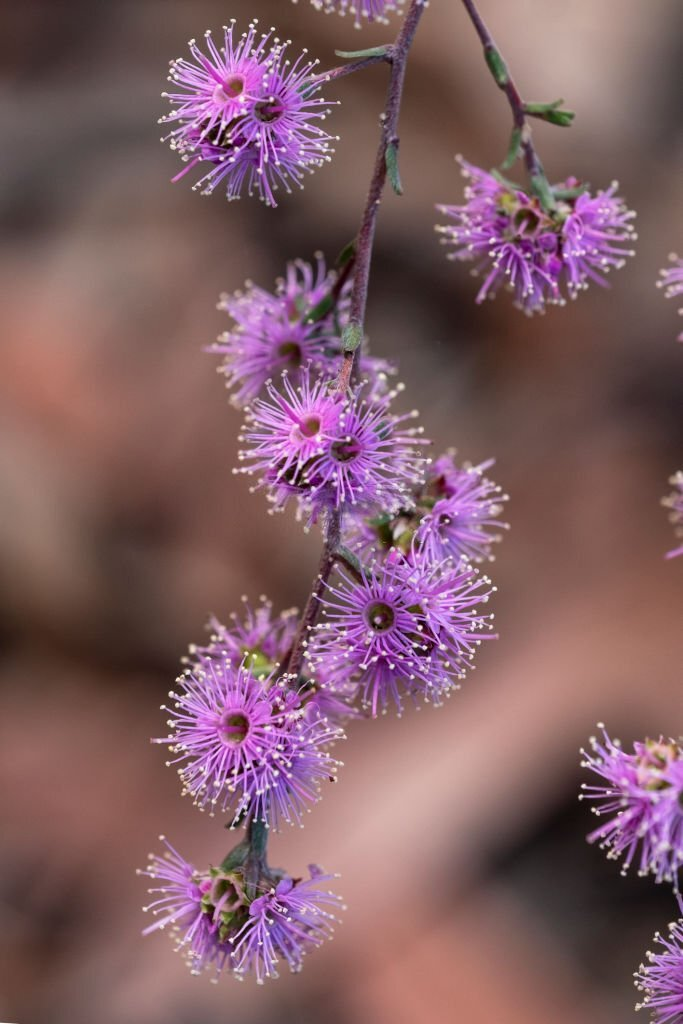
Kunzeas, which range from low-growing groundcovers to 32-foot trees, are suitable for practically any garden style. This easygoing plant produces white, yellow, or pink flowers with long filaments that give them the appearance of fireworks and attract hummingbirds and pollinating insects. Kunzea, which is native to Australia and New Zealand, is hardy in zones 7 to 10. The adaptable plant thrives in a variety of soil types but likes wet, well-drained soil and full to partial light.
Kalmia
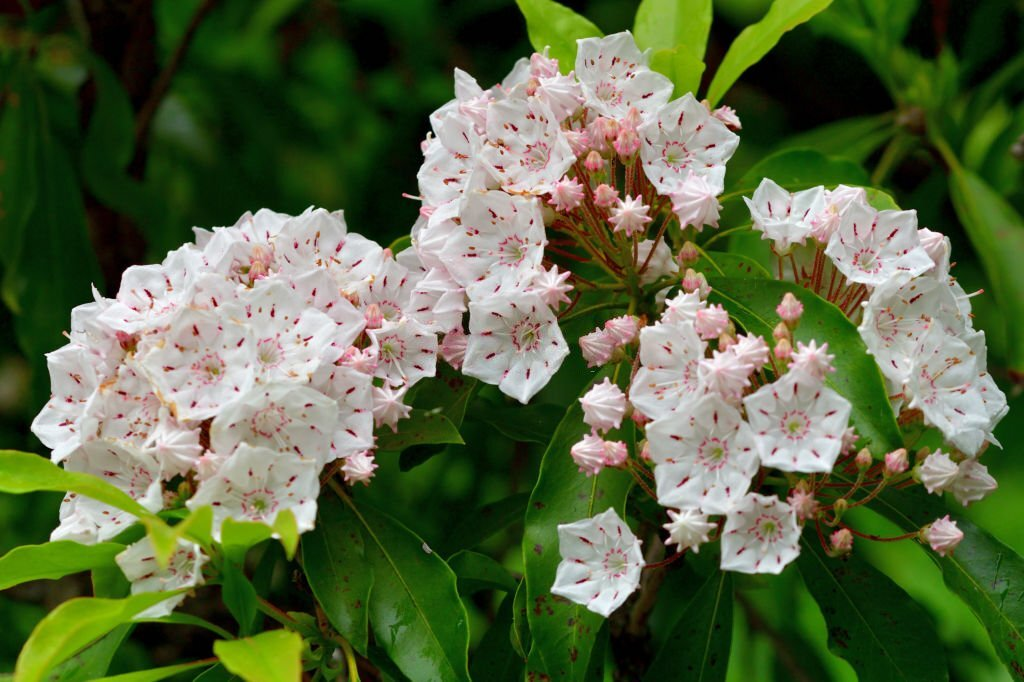
When you are considering flower names that start with the letter K, one of the most stunning options is Kalmia, which is also called Mountain Ivy or Ivy Bush. This beautiful and unique flowering shrub is native to North America and is typically found in acidic soil on mountainsides or near ponds. The flowers come in a range of colors—ranging from white flowers to pink—and they have a bell- or cup-shaped structure. Additionally, its foliage has an interesting leathery texture which adds to its beauty.
Kalmia is also known as mountain laurel, calico bush, and spoonwood, depending on where it grows. It produces clusters of small blooms that can be seen throughout summer and into fall when planted correctly. For instance, it should be in full sun when grown outdoors with ample water but not too much so that it does not become soggy.
Knautia Macedonica
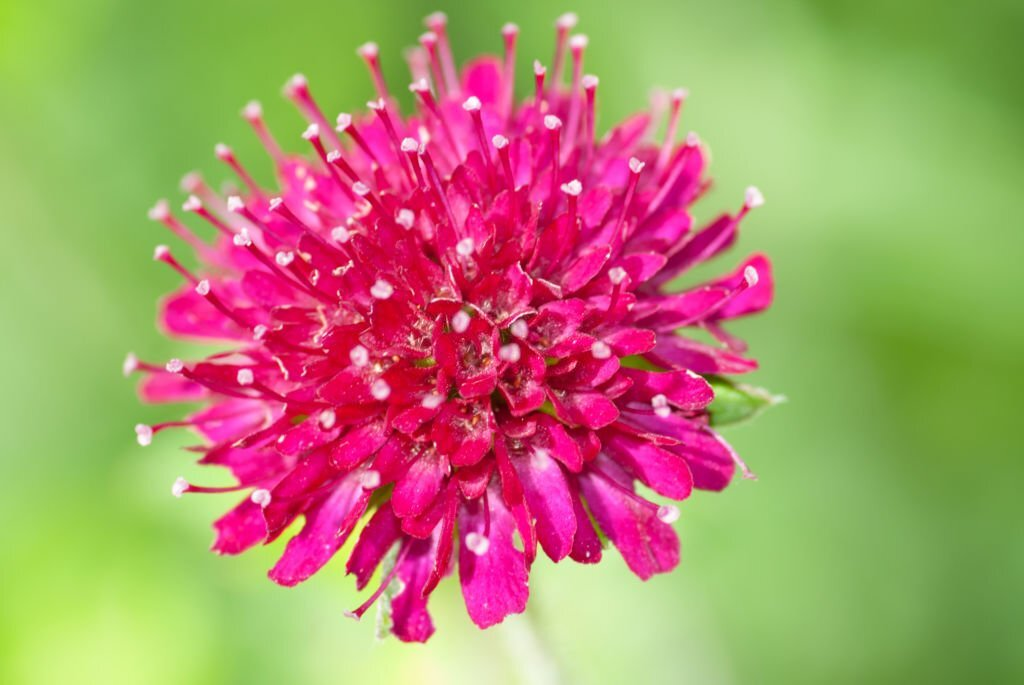
Knautia macedonica, also known as ‘Greater Knapweed’ or ‘Mountain Cornflower’, is the only annual flower that starts with K in the Caprifoliaceae family. This species of flower is native to Europe and western Asia, but can be seen blooming in many gardens around the world. Growing up to 40 cm tall, it has beautiful dark purple-red petals and green leaves, which contrast nicely against its silvery-green foliage. The showy flower heads consist of many deeply cut petals that make it look like a starburst when viewed from afar.
The Knautia macedonica is a great option for gardeners seeking a low-maintenance plant that attracts both bees and butterflies. They enjoy full sun but can also thrive in light shade. Knautia prefers soil that is wet. Once they have bloomed, they are removed to allow new flowers to emerge.
Kiss Me Not
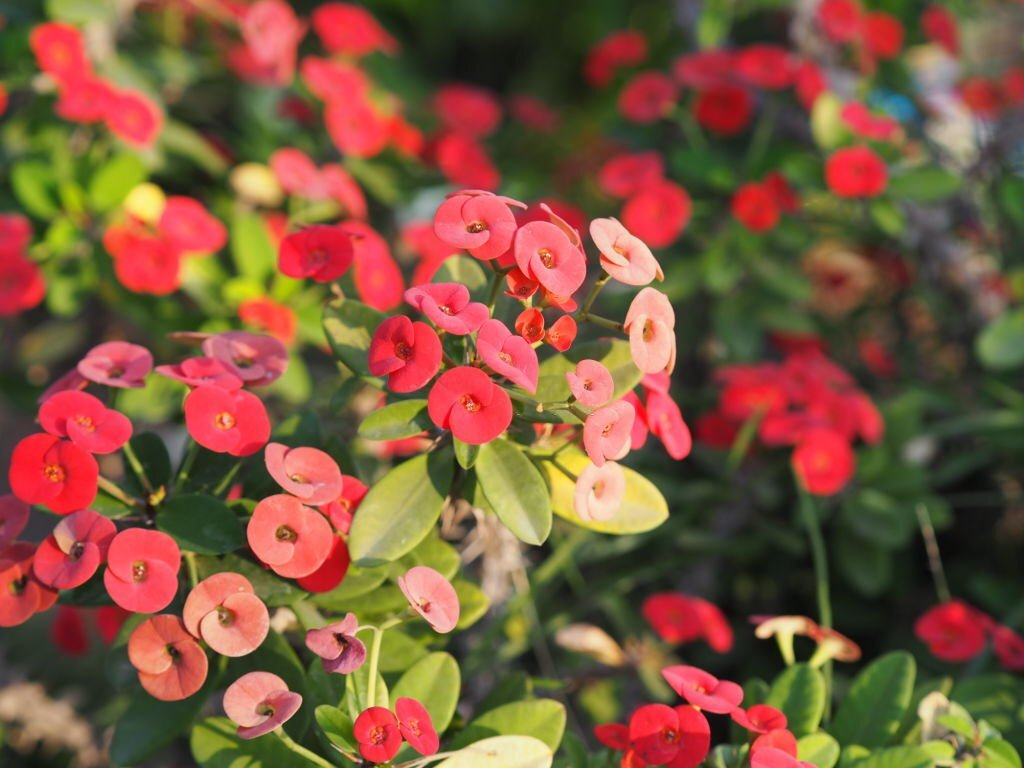
The kiss me not is an elegant flower that is native to Central America and Mexico but can be found throughout the world in gardens and parks due to its popularity as an ornamental plant. It is also known by several other common names, including Calico Flower, Dutchman’s Breeches, and Bird’s Foot Violet.
During the blooming season, which normally extends from early spring through summer, it produces larger clusters of red, petal-like blooms. The flower blooms in shades of pink, white, yellow, purple or lavender, depending on the species. It features five petals surrounding its central yellow center that resembles a tiny heart when viewed from above.
Kiss Me Over the Garden Gate
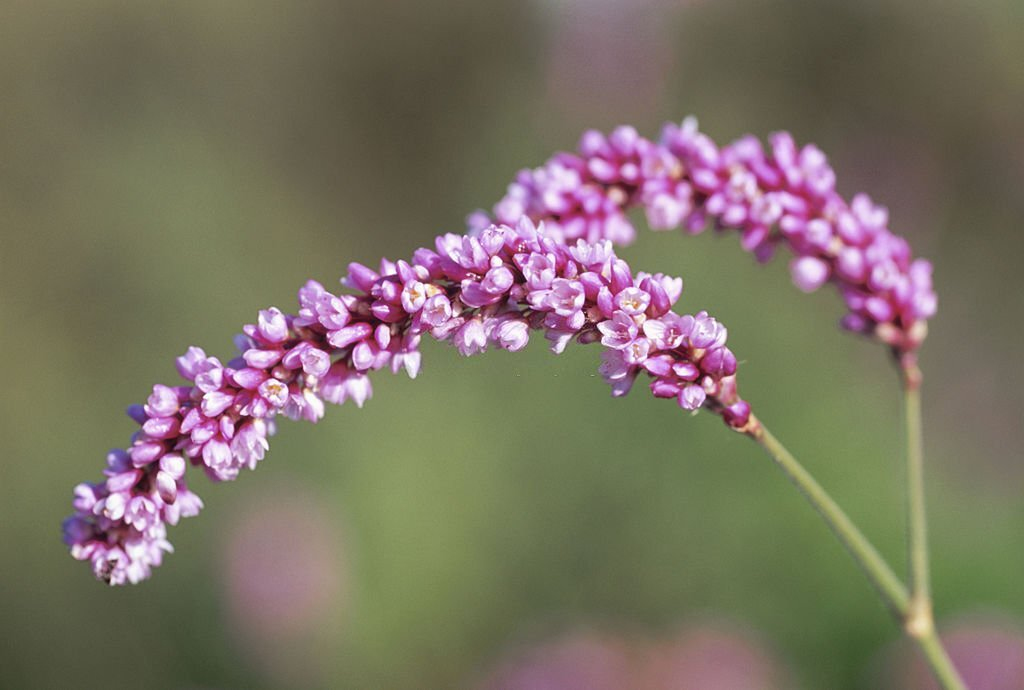
Kiss-me-over-the-garden-gate thrives in fertile, well-drained soil and full sun, but can tolerate poor soils. It does not require deadheading for continuous blooms, but it rapidly self-seeds, so remove spent flowers if you do not want them to spread.
Kalanchoe
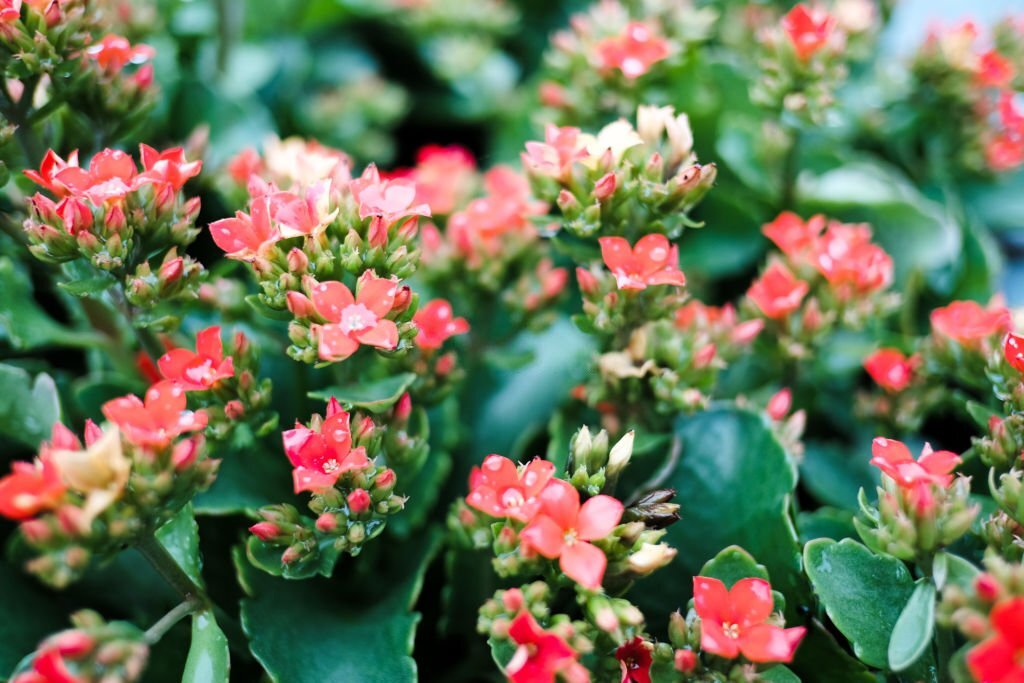
One flower in particular that starts with the letter K is Kalanchoe. These annual flowers come in bright colors like pink, orange, yellow and white and bloom during spring or summer time. The petals have a unique texture due to its succulent nature; they look almost soft to touch. Not only do they make a great addition to any garden or flower arrangement, but they also require minimal maintenance when it comes to watering needs.
Kalanchoe requires a minimum of eight hours of full sun per day, either outdoors or in a window. Water the soil only until it seems dry to the touch, and be careful not to damage the plant’s fragile limbs when moving it.
King’s Mantle
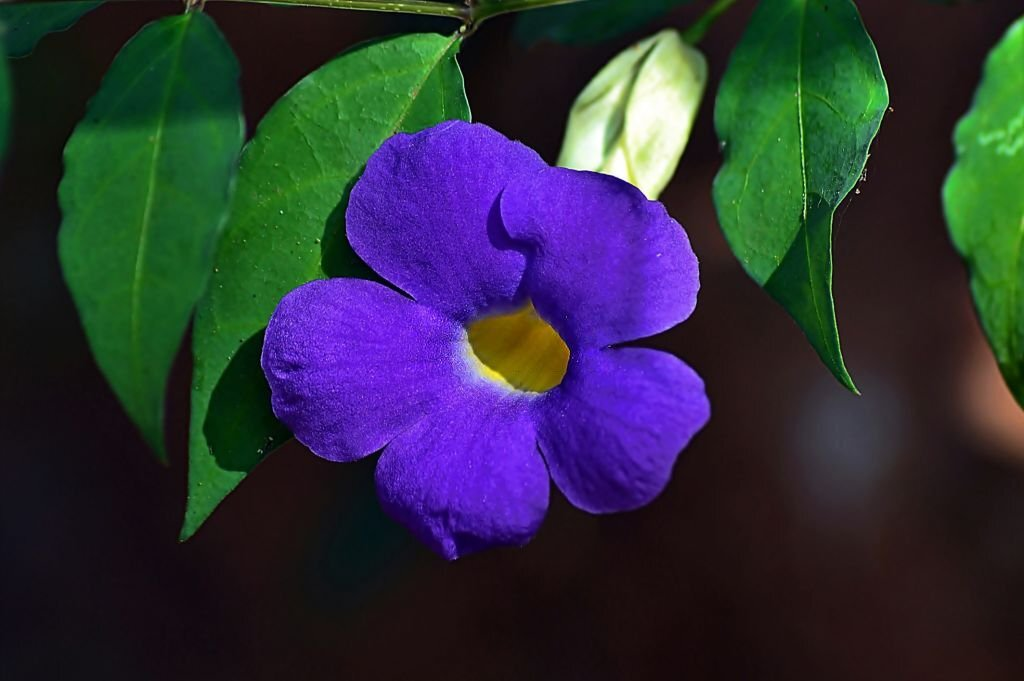
King’s mantle is an evergreen shrub that belongs to the thunbergia family. The flowers are purple with a golden center. Expect the flowers to bloom in the summer, although you can view them throughout the year. The shrub’s height exceeds 3 to 5 feet, and it is a vigorous grower. It can be utilized as a hedge, a corner shrub, growing sideways with palm trees, or as an attractive single plant. They need full light but can thrive in partial shade.
Kerria
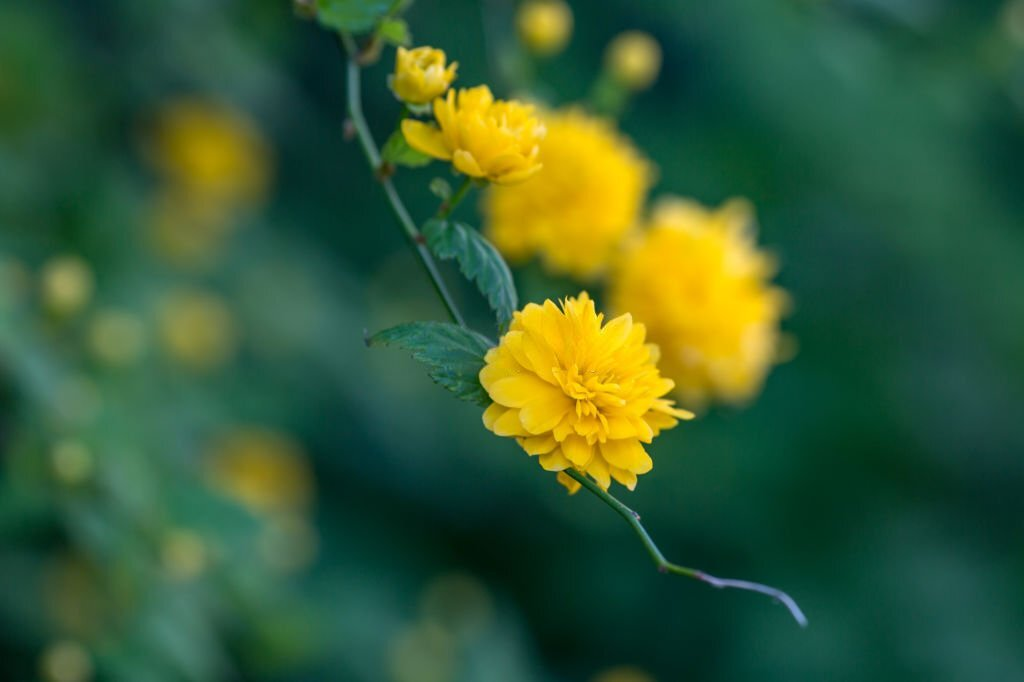
Kerria is a beautiful flower that is perfect for gardeners who want to add an early spring touch to their outdoor space. This remarkable flower provides an eye-catching yellow hue and blooms in the months of April through June. It’s an easy-to-grow flowering shrub, growing best in full sunlight.
Kerria grows quickly and is quite hardy, making it an ideal choice for those looking to brighten up their gardens with little effort. The flowers are made up of five petals which open out into a star shape, creating a cheerful display of yellow throughout the summer months. Kerria can be planted as part of a border or alone as a feature plant. It’s also possible to grow them as cut flowers, adding beauty and color to any floral arrangement or bouquet.
Kniphofia
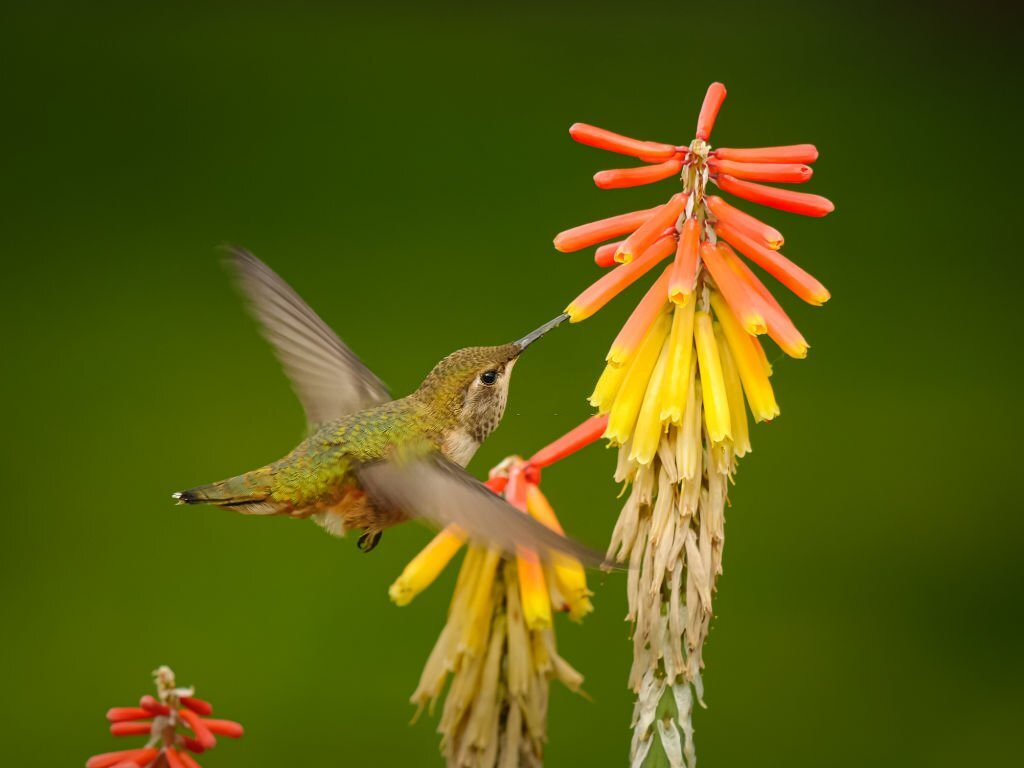
One of the most beautiful flowers beginning with the letter K is Kniphofia. This striking red hot poker plant typically grows as a clump, and can reach up to 3 feet in height. The flowers grow on tall spikes and range in color from yellow to orange or even red. A large variety of kniphofia species are native to Africa, Australia, New Zealand and Madagascar.
The blooms resemble small, slender tubes that appear at the top of each stem; they look like bunches of brightly-colored poker chips! On a warm summer day, a garden full of red hot poker plant will attract hummingbirds and butterflies while adding an eye-catching burst of color to any landscape. In addition to being popular perennials for ornamental use, some varieties also make excellent cut flowers when used indoors or as part of special arrangements outdoors.
Kirengeshoma
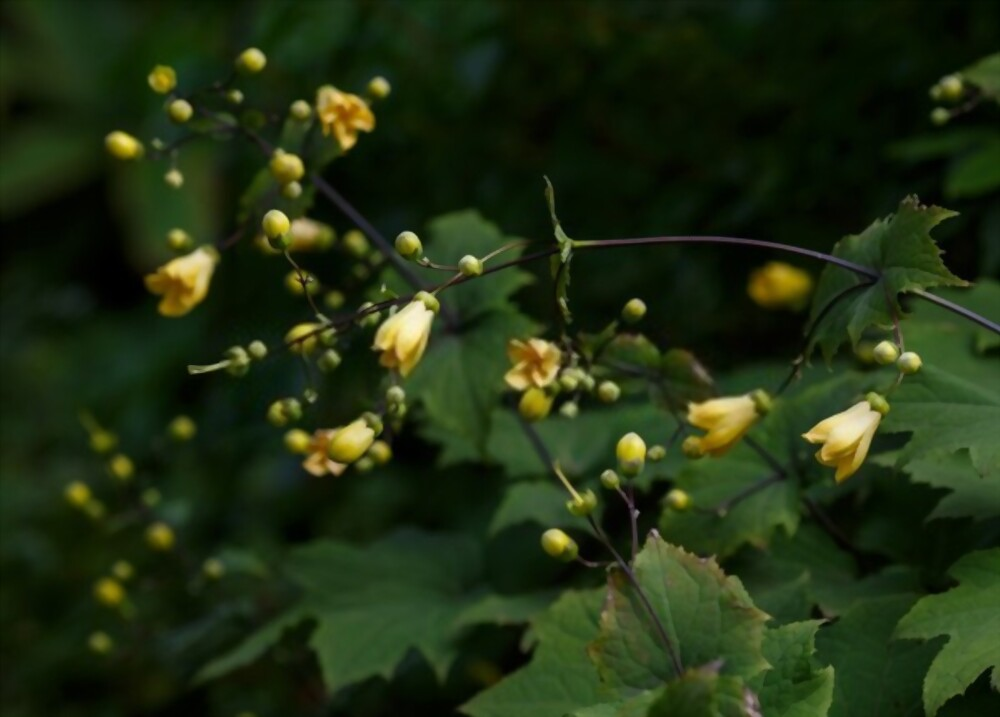
Kirengeshoma, also known as waxbells, is a genus of flowering plants in the hydrangea family that is native to Korea and Japan. The name “Kirengeshoma” is derived from the Japanese words “kireru” and “gesho,” which mean “to fall and scatter” and “summer foliage,” respectively.
Kirengeshoma plants are typically herbaceous perennials that grow to be about 2-3 feet tall and wide. They prefer well-draining soil that is kept consistently moist, and they thrive in partial to full shade. Kirengeshoma plants produce large, attractive leaves and bell-shaped flowers that bloom in the late summer and early fall.
The flowers of the Kirengeshoma plant are usually yellow or pale green, although some cultivars produce white or pink flowers. They are a favorite among gardeners who are looking to add some late-season interest to their garden, as they bloom when many other plants are starting to fade.
In conclusion, there are a wide variety of flower names that begin with the letter K. Some of these include Kalanchoe, Kimono and Knautia, among many others. Each of these flowers has its own unique characteristics and beauty. By researching each type of flower, it is possible to find the perfect one for any occasion or garden. No matter what type of flower you choose, they can all bring beauty to any space.

